
Skip to content
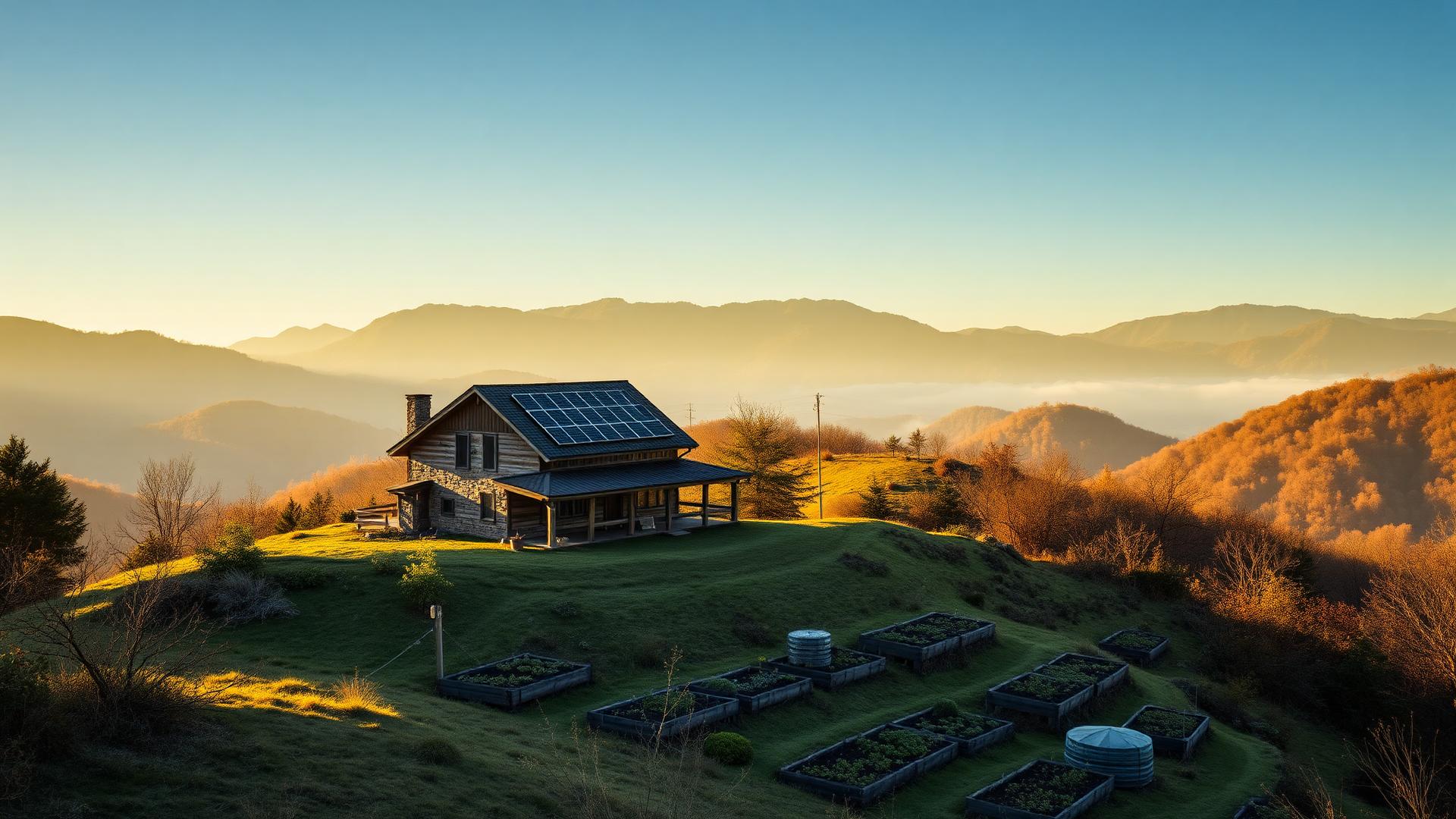
Thriving mountainside homestead with a solar array, terraced garden beds and a full water tank at golden hour

Become the household that powers, feeds, and waters itself

Homesteading for beginners and old hands alike — off-grid solar, rainwater harvesting, and a food-producing yard. Find out what to build first, what it costs, and what it gives back, in numbers you can check.

Join 12,000+ self-reliant families.

  • Proven on 28 acres
  • Built by one founder
  • Real case studies
  • Costs & payback shown

Straight answers

Off grid living, rainwater harvesting and solar wells — answered

The questions people ask before their first system goes in, with the numbers that actually decide it.

What does off grid living actually cost to start?

Most families start between $6,000 and $18,000 for a first off-grid solar system with battery storage — enough to carry a fridge, well pump, lights and internet through an outage. You do not have to buy it all at once: size the array from your real load data first, add panels and batteries as budget allows, and keep the grid tie until the system proves itself through a full winter.

Read: sizing an off-grid solar array from real load data

Can you live off grid on a normal suburban lot?

Yes — off grid living is a set of systems, not an acreage requirement. On a quarter-acre lot you can run rooftop solar with battery backup, harvest rainwater off the roof, grow a meaningful share of your produce in raised beds, and heat with wood or a heat pump. Acreage adds options like micro-hydro and livestock; it is not the entry ticket.

Check your site with PropertyIQ

How much water can rainwater harvesting actually collect from my roof?

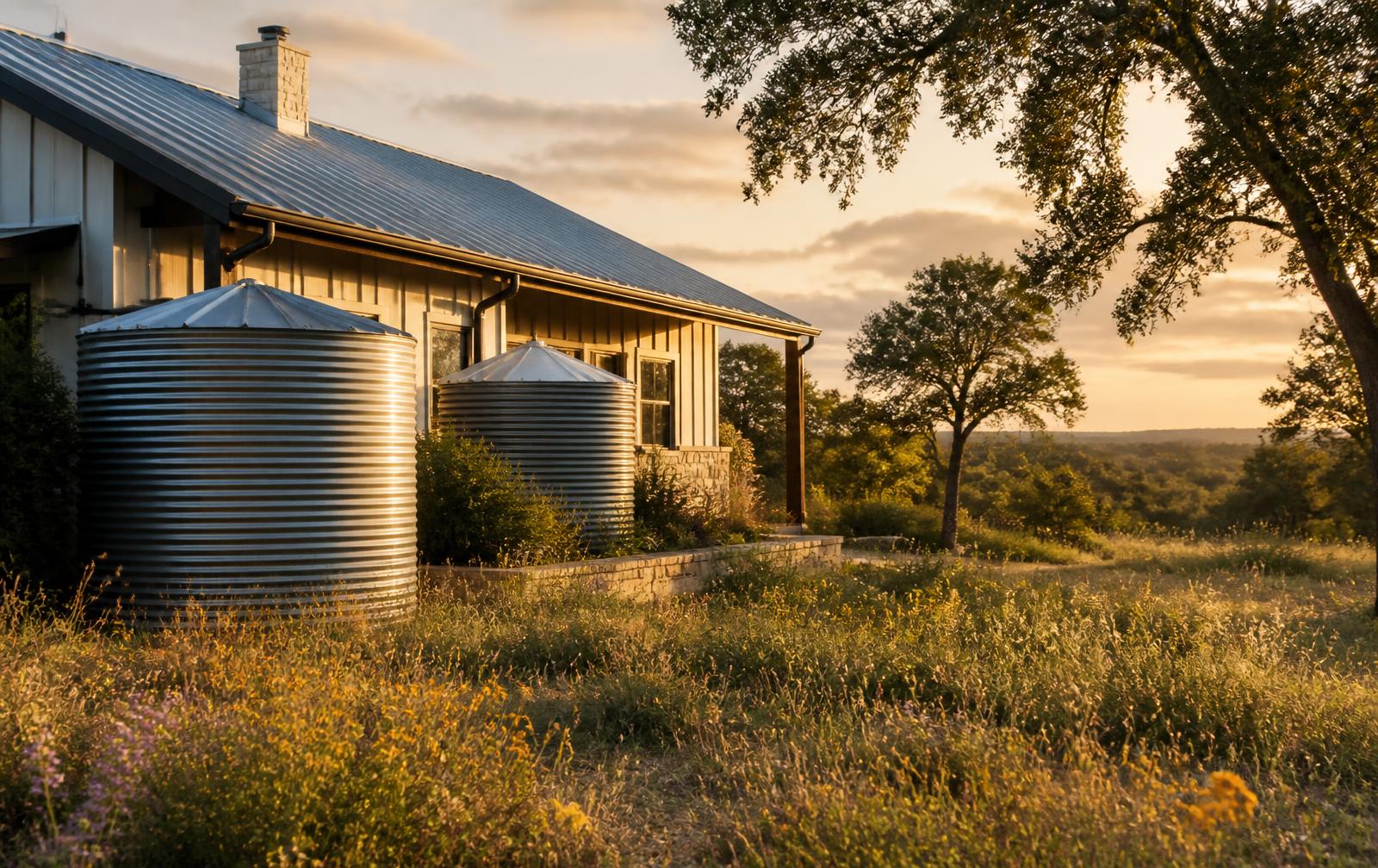
Roughly 0.6 gallons per square foot of roof footprint per inch of rain. A 1,500 square foot roof in a region getting 40 inches a year yields about 36,000 gallons — far more than most households use for irrigation. The limit is storage and first-flush filtration, not rainfall, so size your cistern to the dry spell you need to bridge.

Read: rainwater harvesting — what your roof actually yields

Is rainwater harvesting legal, and is the water safe to drink?

Rainwater harvesting is legal in nearly every US state, and several offer rebates; a handful regulate volume or require permits for potable use. For irrigation and livestock, a first-flush diverter and screened tank are enough. For drinking water, add sediment filtration, carbon and UV or ceramic treatment, then test annually.

See the Never-Dry Water Kit

Can a solar well pump replace my grid-powered well pump?

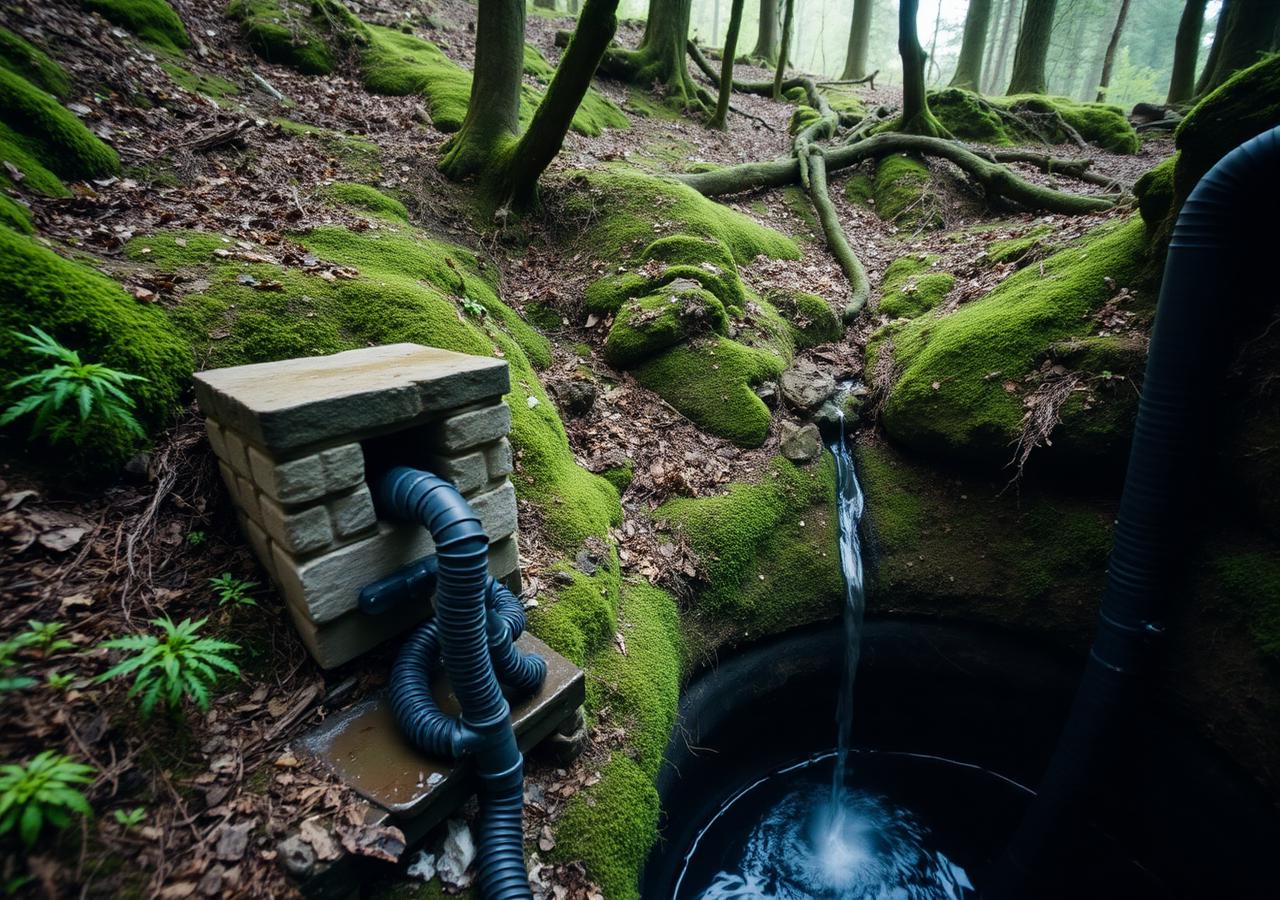
For most wells under 400 feet, yes. A solar well pump sized to your static water level, total dynamic head and daily gallon target will run straight off panels in daylight and fill a storage tank you draw from at night — no battery bank required. That single change removes the most common reason a blackout leaves a rural home without water.

Read: sizing a solar well pump for a 300-foot well

Where should you start if you want energy, food and water independence?

Start with the one failure that would hurt most this year, not with the most exciting project. The LivingIQ assessment scores where your household stands today against its realistic potential, then hands you a 90-day sequence — usually water storage first, then backup power, then food production, because each one buys time for the next.

Get my LivingIQ score

Sound familiar?

You're not being paranoid. You're paying attention.

"The electric bill went up again — and there's nothing you can cut."

You've already changed the bulbs and turned down the thermostat. The number keeps climbing anyway.

"$9 for a dozen eggs, and the produce still goes bad in three days."

Grocery prices move faster than your paycheck, and you can't tell what's actually in half of it.

"Another boil-water notice, and you're stacking cases in the garage."

When the utility says don't drink it, you have no second source and no way to make one fast.

"The forecast says ice, and your stomach drops."

Four days dark last winter. You want that to be an inconvenience, not an emergency.

Get My LivingIQ

Two minutes to stop guessing which of these to fix first.

Choose your path

Four things you can take off the table for good

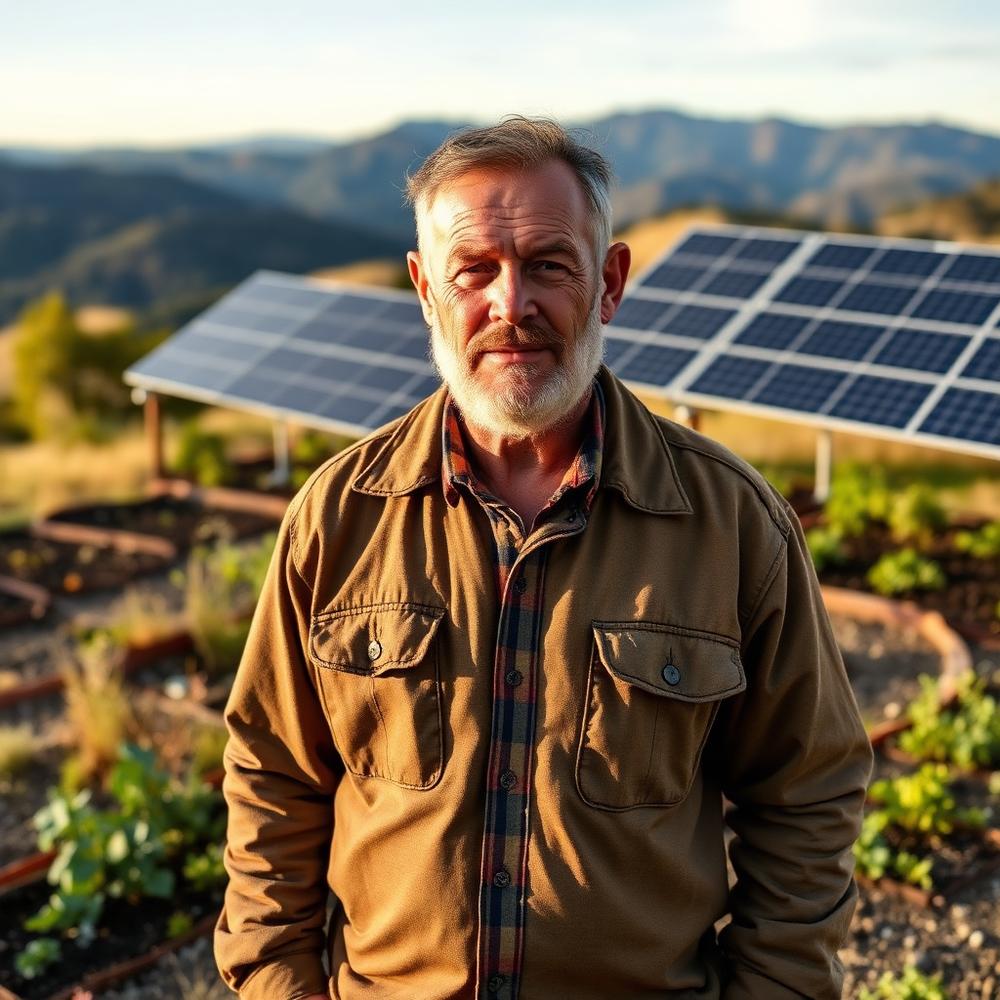
Ellis Hartwell, who tests every system published on this site

You shouldn't have to gamble thousands of dollars to find out whether something works — so we already did.

  • 30+ years living this full time
  • A 28-acre mountainside laboratory
  • Every system here is one we run ourselves
Why you can trust this site

The plan

Three steps from overwhelmed to building

  1. 1

    Take LivingIQ

    Four minutes of honest questions about how you live now. No account, no jargon.

  2. 2

    Get your personalized path

    One starting project — sized for your place — plus the numbers behind why it's first.

  3. 3

    Build it with guides, kits and courses

    Step-by-step how-tos, a package with every part in one box, and a course when you want a coach.

Get My LivingIQ

Proof

Families who stopped worrying about it — and the numbers they got

"The sizing worksheet told me I needed half the array the installer quoted. I built it myself over two weekends and my last twelve bills total $214."

Dana Whitfield

Boone, North Carolina

4,180 kWh produced · $2,340 saved in year one

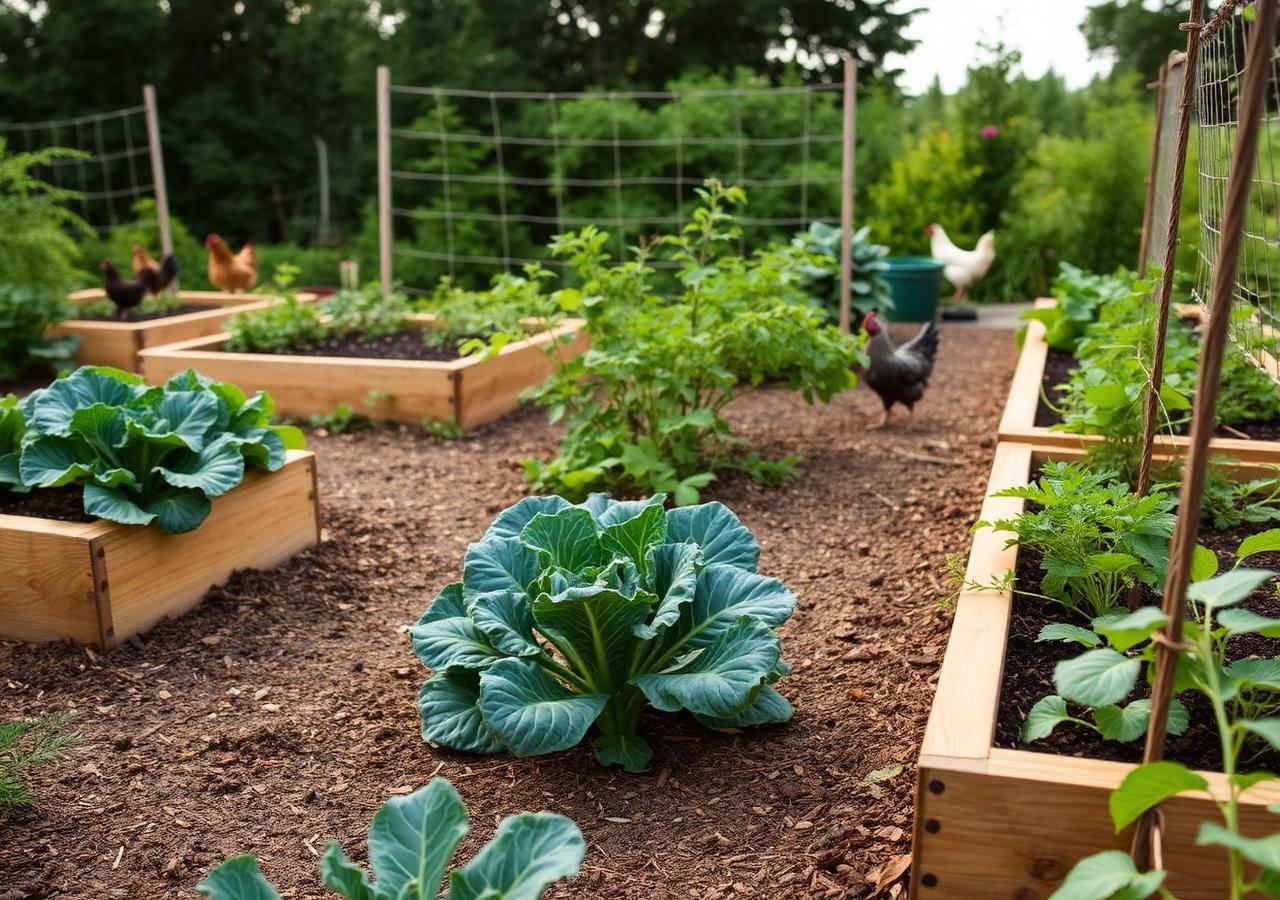
"Two beds and four hens. I stopped buying eggs in March and produce in June. My grocery bill is down about a third and my kids eat things they used to refuse."

Marisol Reyes

Bloomington, Indiana

312 lbs harvested · 128 jars canned

"We lost power for five days in January. The neighbors drove to a hotel. We had light, heat, and water at 42 psi the whole time because it all runs downhill."

Tom Ferrar

Bennington, Vermont

1,500 gallons stored · 5-day outage, zero disruption

"I swapped the whole cabinet for four spray bottles and a jug of vinegar. My daughter's winter cough stopped by February and I'm spending about a tenth of what I was."

Priya Raman

Ann Arbor, Michigan

31 products removed · $412 saved in year one

"I metered the fridge like the guide said and realized I needed half the battery the salesman quoted. Ran nine days on it during the February storm without touching the generator."

Curtis Vance

Sedalia, Missouri

9-day outage covered · $3,100 under quote

"Seven hens and two beds. We haven't bought eggs since April and the kids fight over who collects them. My grocery bill dropped $147 a month."

Alicia Boone

Chattanooga, Tennessee

1,740 eggs collected · $147/mo grocery savings

Get My LivingIQ

Your numbers will look different. LivingIQ tells you how.

Free tools

Two reports that tell you what to do first — and neither one guesses

4 minutes · your habits

What's your LivingIQ score?

Eighteen honest questions across energy, food, water, home, waste and land. You get the score you're living at today, the score you could reach doing only what you're already willing to do, and a twelve-month sequence ordered by points per dollar.

Get My LivingIQ

30 seconds · your land

PropertyIQ

What can your property actually do?

One address reads your sun hours, soil, frost dates, rainfall, drought status, wetlands and flood risk straight from federal and scientific data — so every system you size is sized for your ground, not a national average.

Read My Land

Project spotlights

Real builds, real places, real numbers

All spotlights
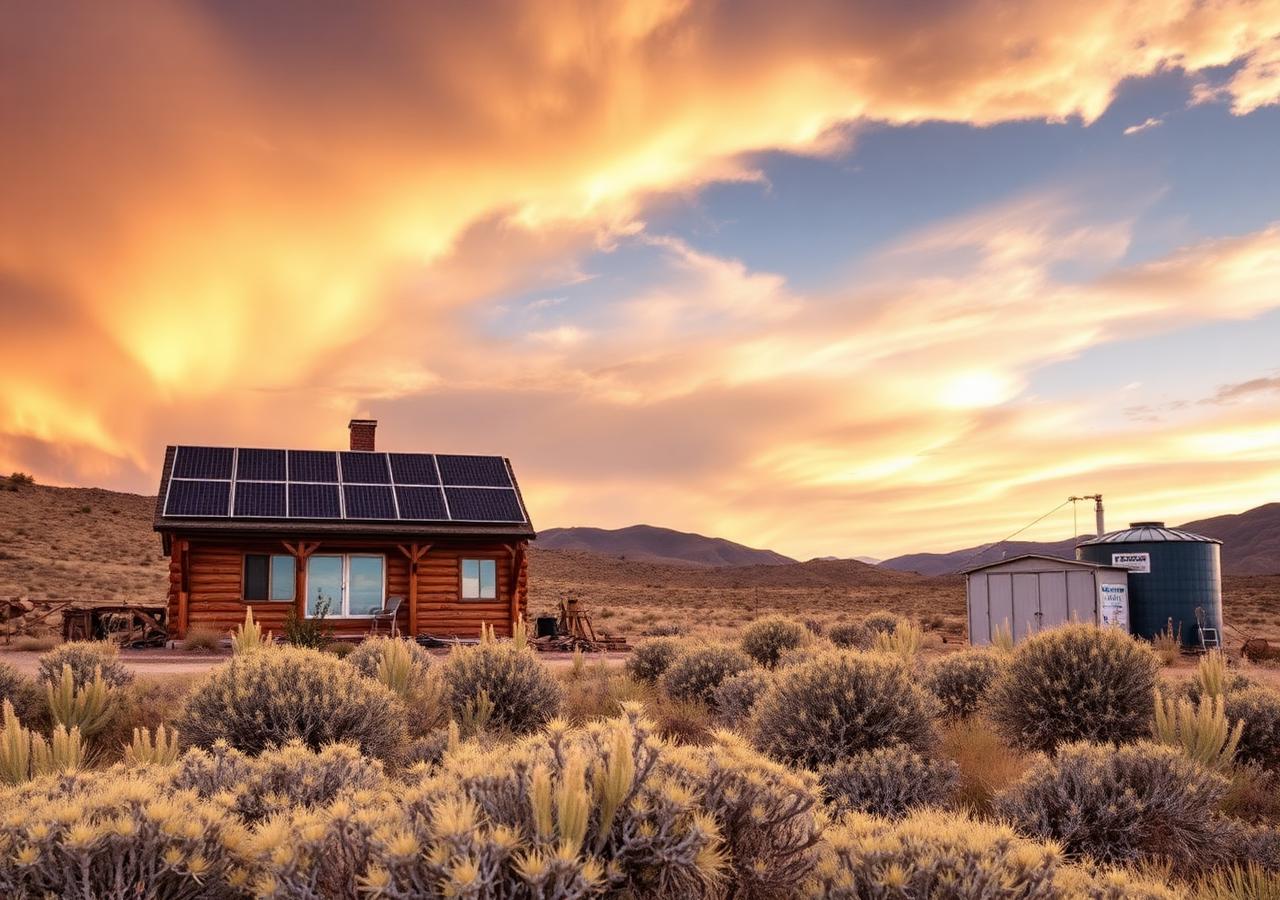
Off-grid log cabin with rooftop solar array and water tank in high-desert Colorado at sunset

Saguache County, Colorado — 8,100 ft

Four Years Off the Generator: A High-Desert Cabin in Colorado

Dana and Rob Mercer ran a 900-square-foot cabin on gasoline for two seasons. Then they spent one summer building a hybrid solar and storage system that has not needed the generator since October 2022.

Generator hours per year
0
Fuel cost avoided
$2,380/yr
Total build cost
$21,400
Winter autonomy
3.5 days
See how they did it

Free to read, tested before it's published

Latest guides

The newsletter

Get the Homestead Dispatch

One letter every other Sunday: what we built this week on the mountain, what failed, and the numbers behind it. No fluff, no sponsored filler.